
How the Right Area Rug Can Bring Together an Open Concept Living Space
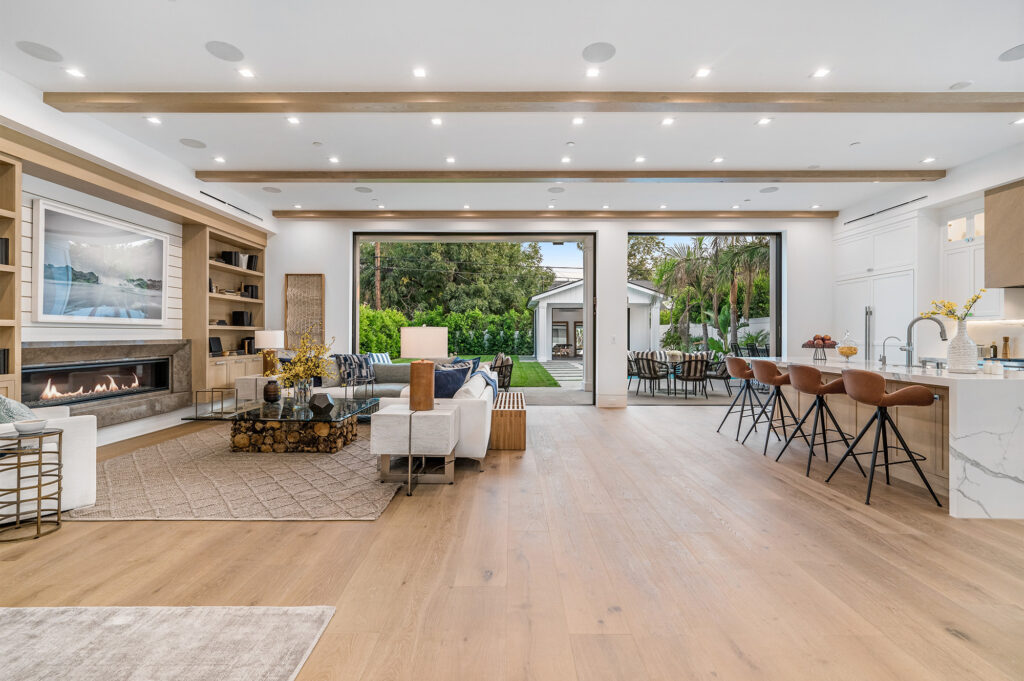
Give an Open Space a More Defined Feel
Open concept homes give you plenty of flexibility. Without walls separating the living room, dining area, and other spaces, you can create an interior that feels spacious and connected. At the same time, an open layout can sometimes make it difficult to give each area its own identity.
An area rug can help solve that problem without changing the structure of your home. By placing a rug strategically, you can visually define a particular area while keeping the overall space connected.
If you are updating an open concept room in Tipp City, you can explore area rugs from Bud Polley’s Floor Center and consider how a rug could work with your existing furniture and flooring.
You can also coordinate the look with other parts of your interior. For example, if you are considering new flooring elsewhere in your home, Bud Polley’s Floor Center can help you explore options that complement your overall design.
Create a Natural Living Room Zone
In an open concept layout, your living room furniture can sometimes appear scattered across a large floor area. A properly sized rug can bring the sofa, chairs, coffee table, and other pieces together.
Think of the rug as a visual foundation for the seating arrangement. Instead of each piece appearing separate, the rug creates a defined zone where the furniture belongs.
You do not necessarily need to cover the entire living room floor. The goal is to create enough coverage to visually connect the main furniture pieces.
Depending on the size of your room, you may want the front legs of your sofa and chairs to sit on the rug. In a larger arrangement, you may prefer a rug that accommodates all of the main furniture.
Separate Areas Without Adding Walls
One of the biggest advantages of an area rug in an open concept home is its ability to create separation without physically dividing the room.
For example, you may have a living area directly beside a dining space. Placing a rug beneath the living room seating can establish that space as a separate zone while still allowing the two areas to flow together.
You can use the same principle for a reading corner, home office area, or other small section of a larger room.
This approach lets you maintain the openness of the layout while giving each part of the room a clear purpose.
Choose a Size That Fits Your Layout
The size of your area rug can make a significant difference in an open concept room. A rug that is too small may look disconnected from the furniture, while one that is too large may overlap into an area where you want to create a separate zone.
Start by measuring the furniture arrangement rather than choosing a rug based only on the dimensions of the room.
For a living room, measure the width and depth of the main seating area. Consider where the sofa and chairs sit and how much floor you want the rug to cover.
For a dining area, make sure the rug extends far enough beyond the table that chairs remain on the rug when pulled away from the table. This can help the area feel intentional while also making the space more comfortable to use.
Use Color to Connect the Room
An open concept space usually contains several furniture pieces, finishes, and decorative elements that need to work together. Your area rug can help connect those elements through color.
You do not have to choose a rug that exactly matches your sofa or flooring. Instead, look for colors that complement the existing palette.
For example, if your furniture features warm neutral tones, a rug with related shades can help create a comfortable and cohesive appearance. If your room is mostly neutral, a patterned rug can introduce color and become an attractive focal point.
Consider the colors you can already see from different parts of the open space. Because there are fewer walls separating the areas, the rug will often be visible from several viewpoints.
Coordinate the Rug With Your Flooring
Your flooring provides the foundation for the entire open concept area, so consider how the rug will look against it.
If your flooring has a strong pattern or noticeable grain, you may want an area rug with a more subtle design. If your flooring is relatively understated, you can use the rug to introduce more pattern or texture.
The contrast does not need to be dramatic. Even a difference in texture or a slightly different shade can help the rug stand out while still complementing the floor.
If you have different flooring materials within your open concept space, pay attention to how the rug interacts with each one. A well chosen rug can sometimes help visually connect areas that use different surfaces.
Think About Furniture Placement First
It is easier to choose the right rug when you already know how you want your furniture arranged.
Before purchasing a rug, consider where the sofa, chairs, coffee table, dining table, and other large pieces will go. You can even use painter’s tape to outline the approximate dimensions of the rug on the floor.
This simple step can help you visualize whether the size feels appropriate.
Walk around the room and look at the proposed arrangement from different angles. Since open concept spaces can be viewed from several areas, you want the rug to look balanced regardless of where you are standing.
Add Comfort to Hard Surface Flooring
An area rug is not only about appearance. It can also add another layer of comfort to rooms with hard surface flooring.
If your open concept space includes a hard flooring surface, a rug can create a softer area beneath seating and other frequently used furniture. This can make a living area feel more inviting, particularly when you spend a lot of time there.
Texture can also add warmth to the room. A rug with a distinctive surface can create contrast against a smoother floor and make the overall space feel more layered.
Use Different Rugs Carefully
You can use more than one area rug in a large open concept room, but the rugs should work together.
If you place one rug beneath the living room furniture and another beneath the dining table, look for a relationship between the two. They do not need to be identical, but their colors, patterns, or overall style should feel compatible.
Using completely unrelated rugs can make the room feel visually fragmented. On the other hand, choosing rugs with complementary characteristics can help define separate areas while maintaining a cohesive appearance.
Think about the room as one connected space even when you are using rugs to create individual zones.
Consider the Traffic Flow
An open concept room usually has several paths that people use to move between different areas. Your rug should support those pathways rather than getting in the way.
Look at the spaces between your furniture and identify the main walking routes. Make sure the rug does not create awkward edges or interfere with doors and other moving parts.
Furniture should also sit securely on the rug where appropriate. Avoid arrangements where the rug ends directly beneath a frequently used walkway if that creates an uncomfortable transition.
Planning around traffic flow can make the finished arrangement feel much more natural.
Think About the Style of Your Home
Your area rug should complement the broader character of your interior. A traditional Tipp City home may call for a different look from a contemporary open concept space.
Look at your furniture shapes, flooring, wall colors, lighting, and decorative accessories. These elements can help you determine whether you want a classic pattern, subtle texture, bold design, or understated neutral appearance.
You can also consider how long you want the rug to remain part of your décor. If you frequently change your furniture or accessories, a versatile rug may give you more flexibility.
If your interior style is already well established, choose a rug that reinforces that design rather than competing with it.
Make Your Open Concept Space Feel Complete
An open concept layout gives you the freedom to create a flexible home, but the right design details can make the space feel more organized and intentional. An area rug can provide one of those important details.
By choosing the appropriate size, considering furniture placement, coordinating colors, and thinking about traffic patterns, you can use a rug to define your living areas without sacrificing the openness of the room.
You can also use your rug as an opportunity to add comfort, texture, and personality. Rather than treating it as a simple decorative accessory, consider how it can help connect the different elements of your interior.
When you take the time to plan the placement and appearance, your area rug can become a natural part of the room rather than something that feels added at the last minute.
If you are ready to explore area rugs for your Tipp City home, contact Bud Polley’s Floor Center today to discuss your options.