
How to Choose Window Treatments for Different Room Orientations
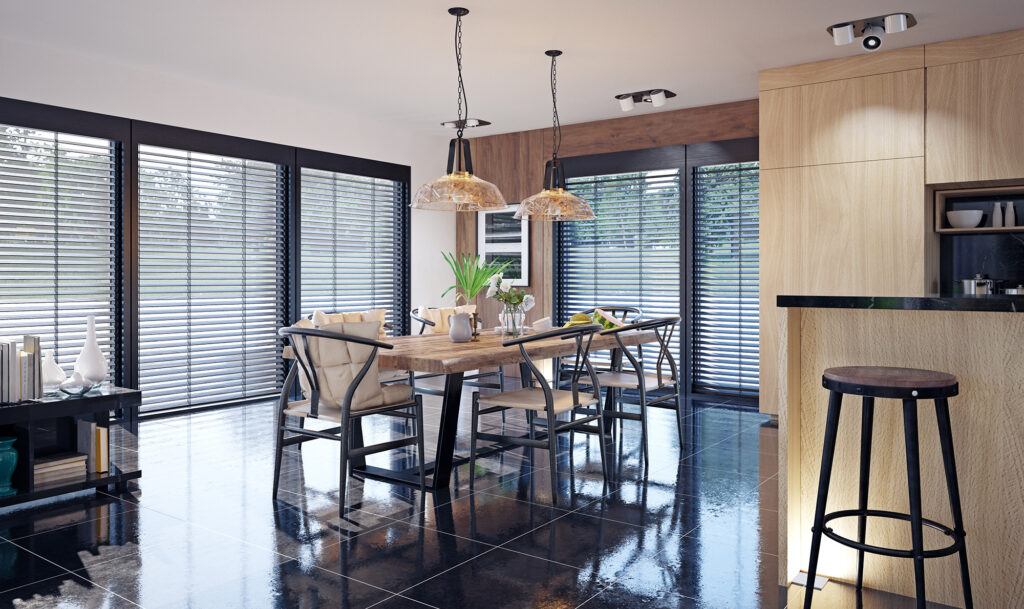
The direction your windows face can affect how much sunlight enters your home, how warm a room feels, and how comfortable the space is throughout the day. The right window treatments help you manage these conditions while complementing your interior design. Instead of choosing the same solution for every room, consider how sunlight moves through your home and what each space needs.
As you explore the window treatments available at Bud Polley’s Floor Center, think about your windows’ orientation, your privacy needs, and how you use each room. These details can help you find a practical option that works with your daily routine.
North Facing Windows: Make the Most of Natural Light
In many homes in the Northern Hemisphere, north facing windows receive less direct sunlight than windows facing other directions. The light can feel softer and more consistent, making these rooms suitable for reading, working, or relaxing.
If a room feels dim, consider window treatments made from light filtering fabrics that allow daylight to enter while offering some privacy. Lighter colors can also help the space feel open. If you need more privacy at night, look for options that provide greater coverage when closed.
South Facing Windows: Manage Brightness and Heat
South facing windows in the Northern Hemisphere can receive substantial sunlight throughout the day, although the amount depends on the season, nearby buildings, and surrounding trees. Bright light may create glare on screens or contribute to heat buildup.
Consider adjustable blinds or shades that let you control how much sunlight enters the room. Light filtering options can soften strong daylight, while products designed to reduce solar heat gain may help improve comfort. For rooms where you watch television or work on a computer, adjustable coverage can be especially useful.
East Facing Windows: Prepare for Morning Sunlight
East facing windows generally receive direct sunlight in the morning. This can make a bedroom bright early in the day, while a kitchen or breakfast area may benefit from the natural light.
If you prefer a darker bedroom for sleeping, consider room darkening shades or layered window treatments that provide better light control. In shared living spaces, a lighter option may be enough to reduce glare without blocking the morning sunshine entirely.
West Facing Windows: Control Afternoon Glare
West facing windows often receive stronger direct sunlight later in the day. Depending on your climate and the window’s exposure, this can make a room feel warmer during the afternoon and evening.
Adjustable blinds and shades can help you limit direct sunlight when it becomes uncomfortable. If the room is used for relaxing after work, choose a treatment that offers flexible light control and suits your privacy preferences. For windows that receive intense sun, ask about materials designed to help manage solar exposure.
Consider Privacy, Style, and Everyday Use
Window orientation is only one part of the decision. A ground floor living room may need more privacy than an upstairs space, while a home office may require careful glare control. Kitchens and bathrooms may also benefit from treatments made with materials suitable for their environment.
Think about how easily you can adjust and clean each option. Cordless designs, where available, may also be worth considering for convenience and safety. Before choosing a product, measure your windows carefully and check the installation requirements.
Find Window Treatments That Fit Your Home
The best window treatments balance light control, privacy, comfort, and style. By considering which direction your windows face and how you use each room, you can make a more informed choice for your home in Tipp City, Ohio.
Explore the options at Bud Polley’s Floor Center to find window treatments that suit your space. If you need help comparing styles and features, contact the team to discuss your project.